Join the coversation
RAISE YOUR GLASS
Like a sidewalk Bia Hơi in Vietnam, this space is where voices meet: open, unfiltered, and human
Cheers to great stories
We are passionate about beer culture and excited to share our stories with you. Our diverse team brings together a wealth of experience and a love for craft brews.
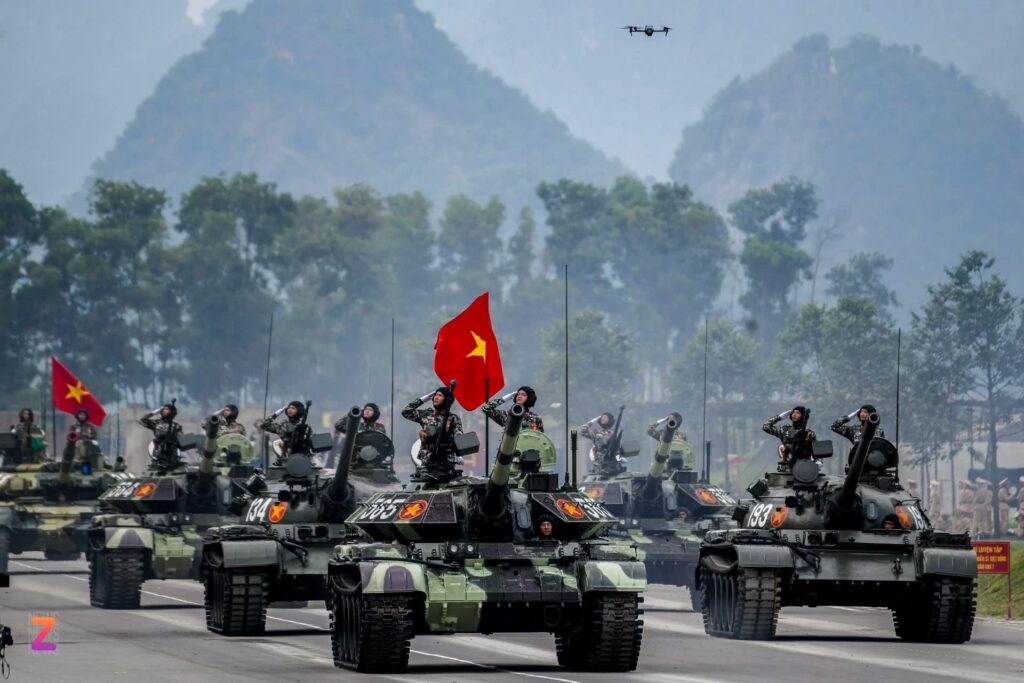
In the jubilant atmosphere of Independence Day, people from all corners of the country flocked to Hanoi to celebrate the 80th anniversary of Independence – Freedom – Happiness on September 2. Yet alongside the beautiful images of unity, we must also confront an unflattering reality: uncivil behaviors that overshadow the sacred meaning of the holiday.
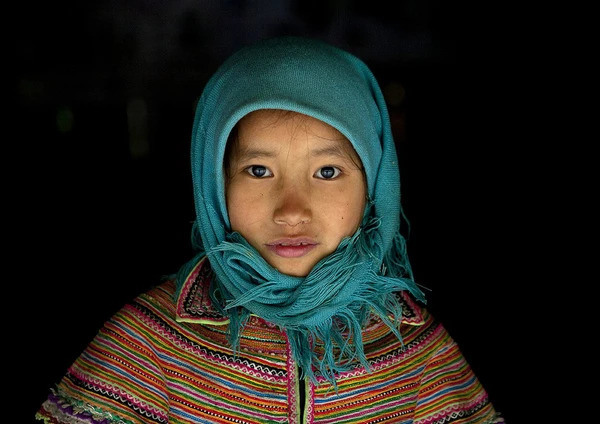
Millions of young girls worldwide are still forced into marriage before they are ready. These marriages, cloaked in the name of “tradition,” rob them of the years that should have been devoted to learning, self-discovery, and growth. Banning child marriage is not only a moral imperative, but also a political decision that reshapes the future of women, families, and entire societies.
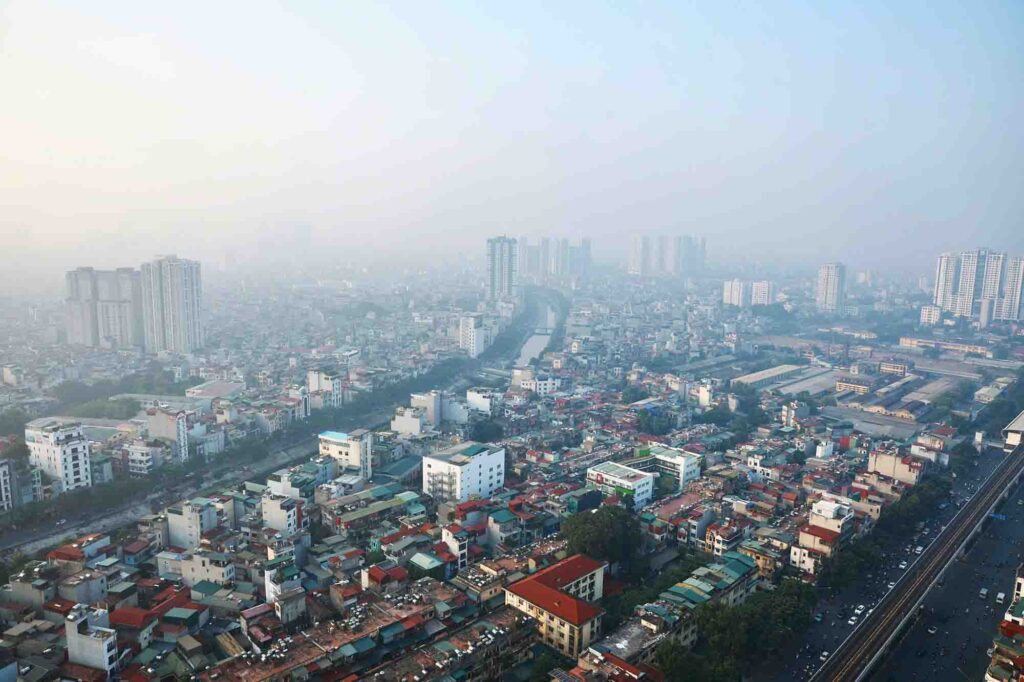
On March 21, 2025, Hanoi was recorded as the most polluted major city in the world, according to IQAir and AirVisual. But this was not a one-off event. Earlier, on January 3, PM2.5 levels reached 266 µg/m³, once again placing Hanoi at the top of global pollution rankings. To this day, the capital remains consistently among the most polluted cities worldwide. This is not only an environmental issue, but also a thorny political problem.
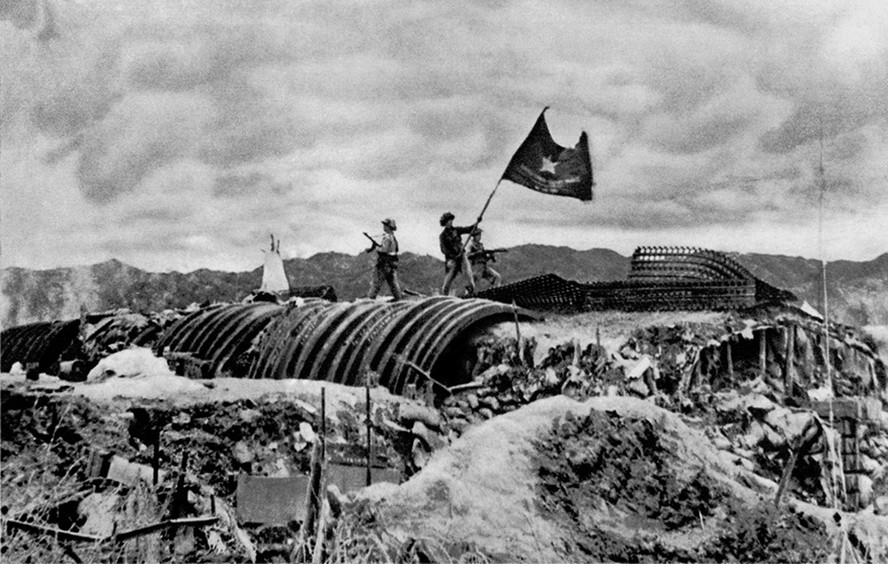
A recent social media post by former contestant of the TV quiz show Đường lên Đỉnh Olympia Chu Ngoc Quang Vinh that distorted history sparked a wave of public outrage. Authorities in Yên Bái soon handed down disciplinary measures. However, focusing only on one individual misses the real crisis that history is being distorted and trivialized at many different levels.
The phenomenon of “brain drain” is no longer unfamiliar. Every year, numerous young Vietnamese head overseas. Yet many of these youngsters, educated with family resources and sometimes even national funding, end up building their lives abroad. So what do we lose? Doctors who might have saved lives, engineers who could have built innovations, researchers who could have pushed Vietnam to the frontiers of technology owing to the global knowledge they keep up to date with.

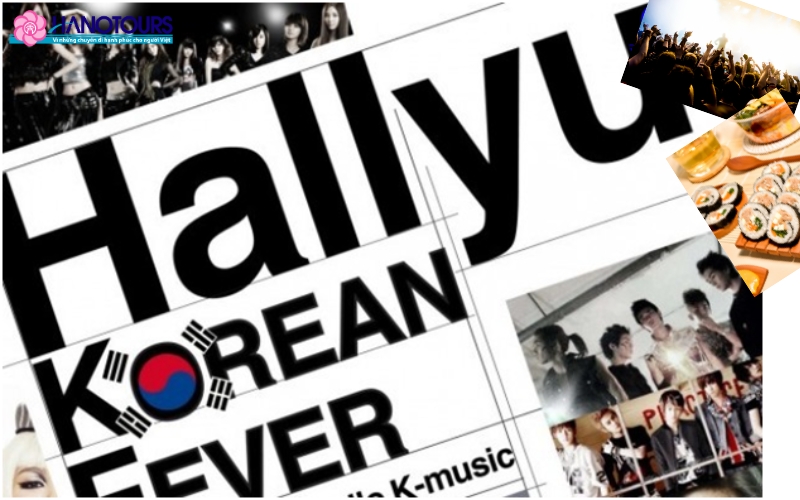
Recently, countries lead the economy with the strength of stories, songs, and symbols, as nations have turned their cultural influence into real economic power. South Korea is the textbook example as the Korean wave (Hallyu) began in the 1980s and reached its peak during the 2000s to 2010s have not only defined global trends but also contributed billions to the Korean economy. According to the Hyundai Research Institute, BTS (a global K-pop boy group) alone was estimated to bring in more than 5 billion USD annually, roughly 0.5% of South Korea’s GDP. Culture, once seen as soft power, is now hard currency.
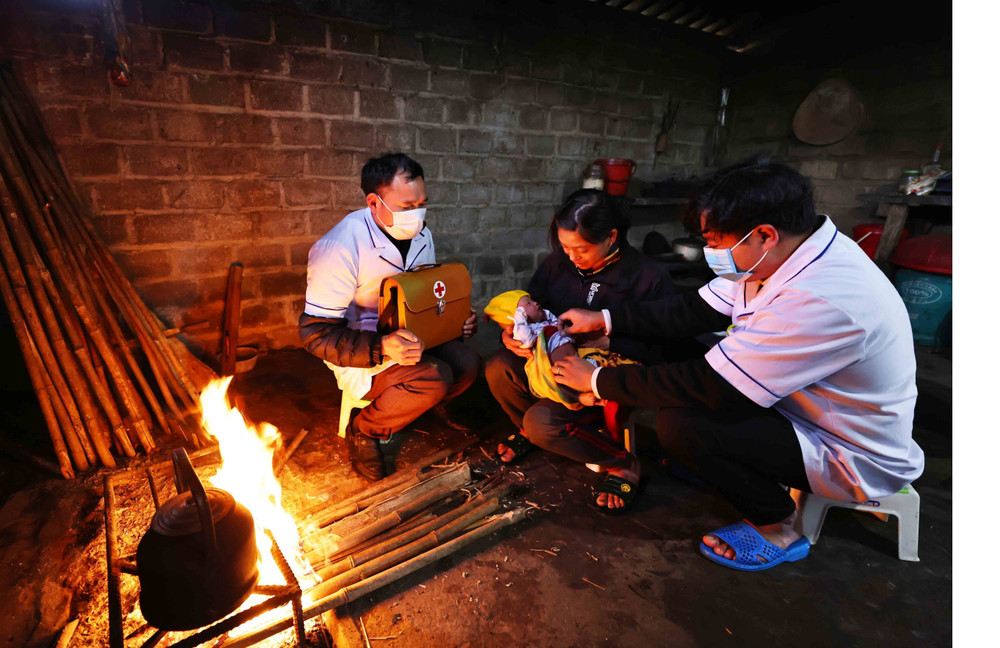
The shortage of doctors in Vietnam’s remote provinces has become one of the country’s quietest healthcare crises. In reality, a patient in Hà Giang or Điện Biên may spend hours, even an entire day, traveling to a hospital with the right specialist, only to arrive too late. Behind each statistic lies a family’s story of loss, frustration, and injustice.
In “What hinders Vietnam’s path to universal healthcare?